224 results
-
Transition Minerals Tracker 2026: South America
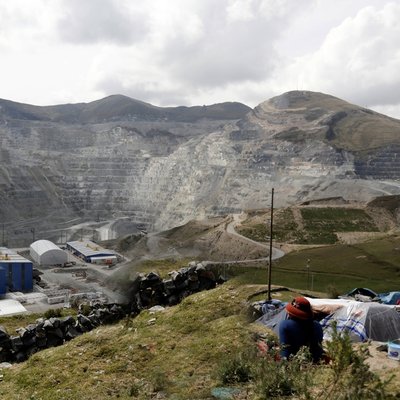
South America is the region where we've recorded the highest numbers of allegations of abuse related to transition mineral mining. We spoke to communities and organisations in Bolivia, Argentina, Chile and Peru to find out about the impacts of copper and lithium mining – and what needs to change for a just transition.
Read more -
Nailia Schwarz, Shutterstock
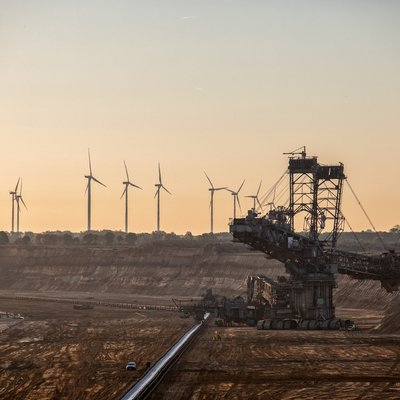
Mining for the future, undermining trust: Participation deficit in the energy transition
Governments' urgency to secure critical mineral supplies is resulting in fast-track permitting and lack of meaningful engagement, and is taking precedence over good governance, transparency and states’ duty to protect human rights.
Read more -
Felix Malte Dorn, Shutterstock (licensed)
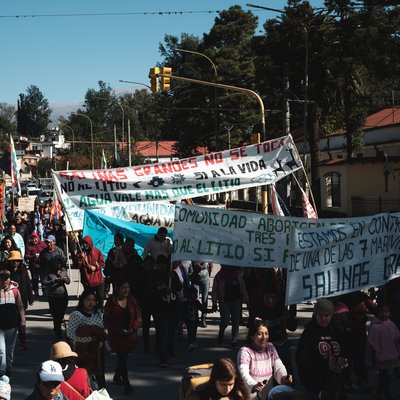
Litigating the just energy transition: communities at the forefront of change
Communities and workers are suing companies and states over abusive mining and renewable energy projects. What does this mean for the energy transition?
Read more -
“It would change my life”: Remedy, reparations and justice for migrant workers in Saudi Arabia’s renewable energy industry
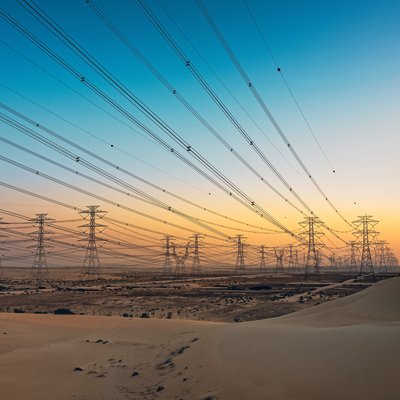
Eight months after our report on abuse of migrant workers' rights on solar and green hydrogen projects in Saudi Arabia, we went back to speak to workers and find out whether anything had changed. Their responses reveal an alarming failure by major multinational businesses to provide remedy.
Read more -
Parilov, Shutterstock
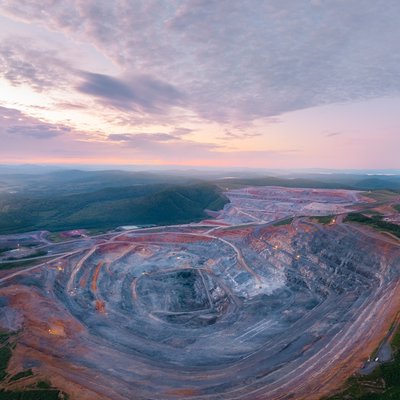
Workers paying the price: Hidden costs of the transition mineral boom in Eastern Europe and Central Asia - 2026 analysis
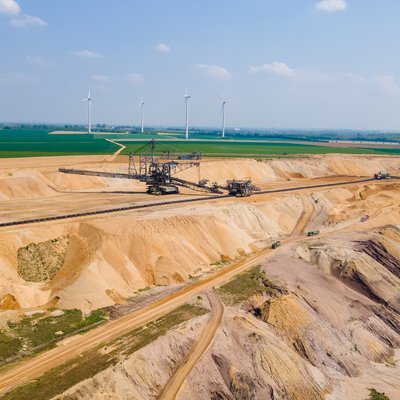
Demand for minerals critical to the just energy transition in Eastern Europe and Central Asia (EECA) has continued to grow over the past year, accompanied by an increasing number of allegations of environmental harm and human rights abuse linked to their development, extraction and processing. Our 2025 data show that the number of allegations increased by 38% compared with 2024, rising from 270 to 373.
Read more -
Chalefun Ditphudee / Earthrights International
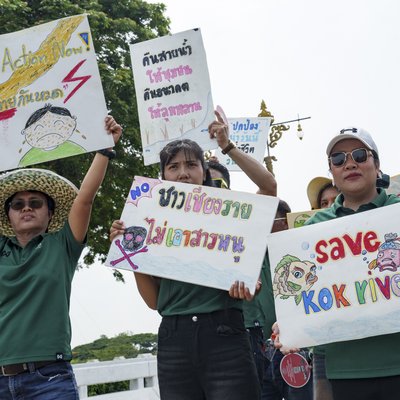
Shifting ground: Human rights, Chinese investment and the rush for transition minerals
New analysis reveals a steady increase in human rights and environmental harms associated with Chinese overseas investment in minerals crucial for the energy transition.
Read more -
Transition Minerals Tracker: 2026 global analysis
Human rights abuses in transition mineral mining are surging at an alarming rate. We recorded 329 new allegations of abuse at cobalt, copper, iron, lithium, bauxite, manganese, rare earth elements, nickel and zinc mining projects in 2025.
Read more -
Retreat or respect? Diverging corporate paths on human rights in a time of turbulence
In today’s turbulent context, US companies face a choice: uphold human rights and support civic space, or contribute to their erosion in the US and around the world. Our latest analysis identifies three broad responses from US corporations to this moment: some companies are actively undermining human rights progress, others are quietly retreating from past commitments, and some are holding firm despite the pressure.
Read more -
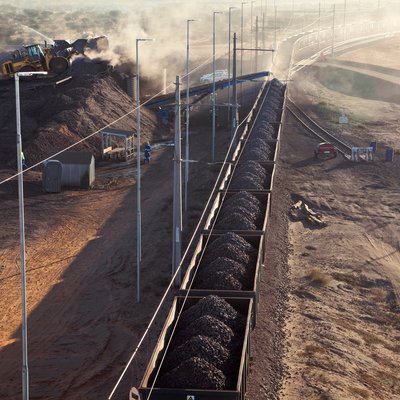
Photo credit: Shutterstock
Towards meaningful benefit-sharing in natural resource use in Africa
The predominant economic model underpinning natural resources in Africa continues to reproduce a pattern where value is generated but not equitably distributed between local communities and businesses. This analysis looks at the urgent need for the transition to an economic model that assures shared prosperity for all, including meaningful benefit-sharing for communities and workers on the frontlines of natural resource use.
Read more -
COPINH
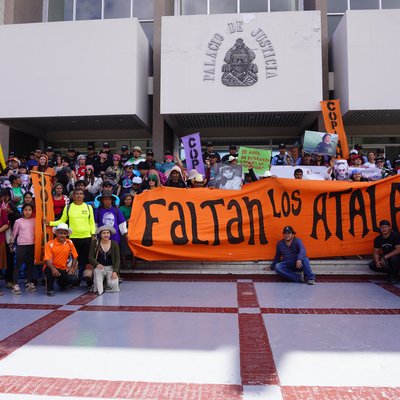
Human rights defenders and business in 2025
We documented nearly 800 attacks against human rights defenders raising concerns about business in 2025 – more than two attacks a day on average.
Read more